
Predator Blog · March 10, 2023
The stage is calling: Discover Mallorca’s flourishing theatre scene and experience culture up close
Grab your evening wear and join the cultural elite! The island’s theatres and venues are so diverse that you’ll feel like true connoisseurs. From the elegant auditorium to the cosy Teatre Sans – there’s something here for every taste.
Mallorca is known worldwide for its breathtaking natural scenery, crystal-clear water and outstanding gastronomy. But the range of art and culture should not be overlooked either. The island boasts a large number of theatres, halls and auditoriums dedicated to the performing arts, making it a privileged destination for theatre lovers.
With this, I would like to give you a comprehensive overview of Mallorca’s cultural theatre offerings. Below, I have put together a list of the island’s ten best theatres, all of which are definitely worth a visit.
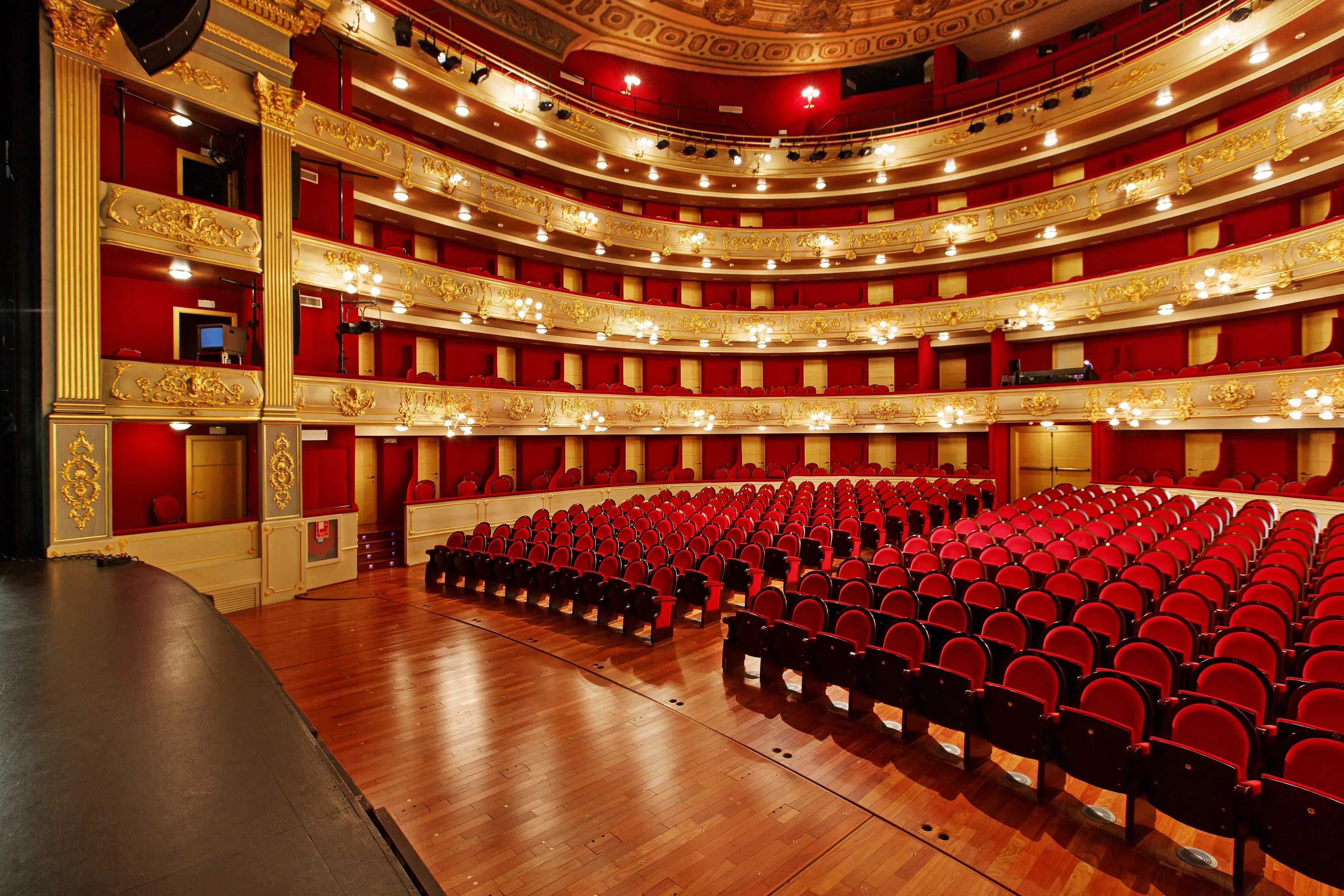
Teatre Principal
The theatre has a turbulent history behind it and has continually evolved and modernised over time. Today it is known as the “Teatro Principal” and offers state-of-the-art technology and facilities for its audiences. The last renovation in 2007 made it one of the most advanced theatres in Europe. Despite all these changes, the theatre has preserved its historical significance and remains an important part of Mallorca’s cultural heritage.
The “Casa de las Comedias” theatre opened its doors in 1667 and had space for 800 people. It differed from other European theatres of its time thanks to its rectangular shape, which followed the Corrales model. Over the years it underwent many changes and difficulties, until it was finally completely rebuilt in 1854 under the name “Teatro de la Princesa”. However, after a devastating fire in 1858, it was rebuilt again and given the name “Teatro del Príncipe de Asturias”.
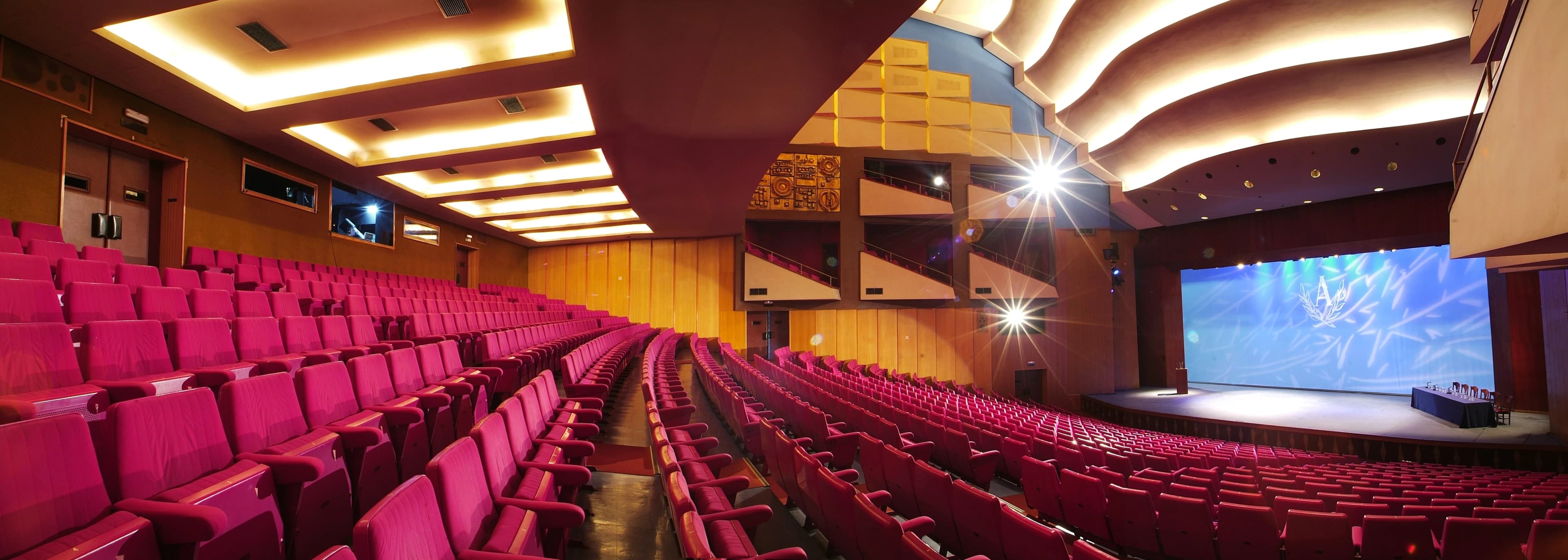
The Auditorium
The Auditorium was built back in 1969 and has nine halls. The Sala Magna and the Sala Mozart are the highlights of the Auditorium. Both halls are designed as theatres and offer optimal sightlines and sound quality for plays, concerts, dance performances and any other type of event. In addition, both halls are also ideal for meetings and congresses. Auditorium Palma offers its guests a prime location in the heart of Palma Bay, right on the harbour promenade (Paseo Maritimo), just 10 minutes from the airport and within walking distance of the city centre. This makes it easy to reach for both locals and tourists, and offers the opportunity to experience Mallorca’s best shows and events.
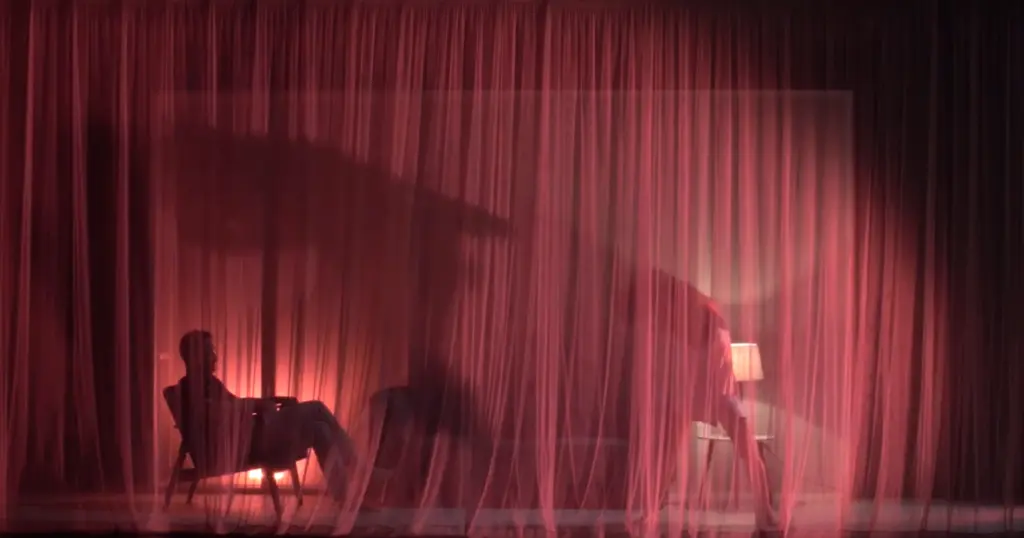
Teatre Sans
T. Sans is a small theatre in Palma de Mallorca that has existed for over 25 years. It is located in a Gothic building from the 14th–15th century in the old town behind Plaza Santa Eulalia. This building used to serve as a hotel, and later as the headquarters of the Republican Party. The theatre group Estudi Zero renovated it. The “Escola d’arts Escèniques” offers acting classes for children and adults here.
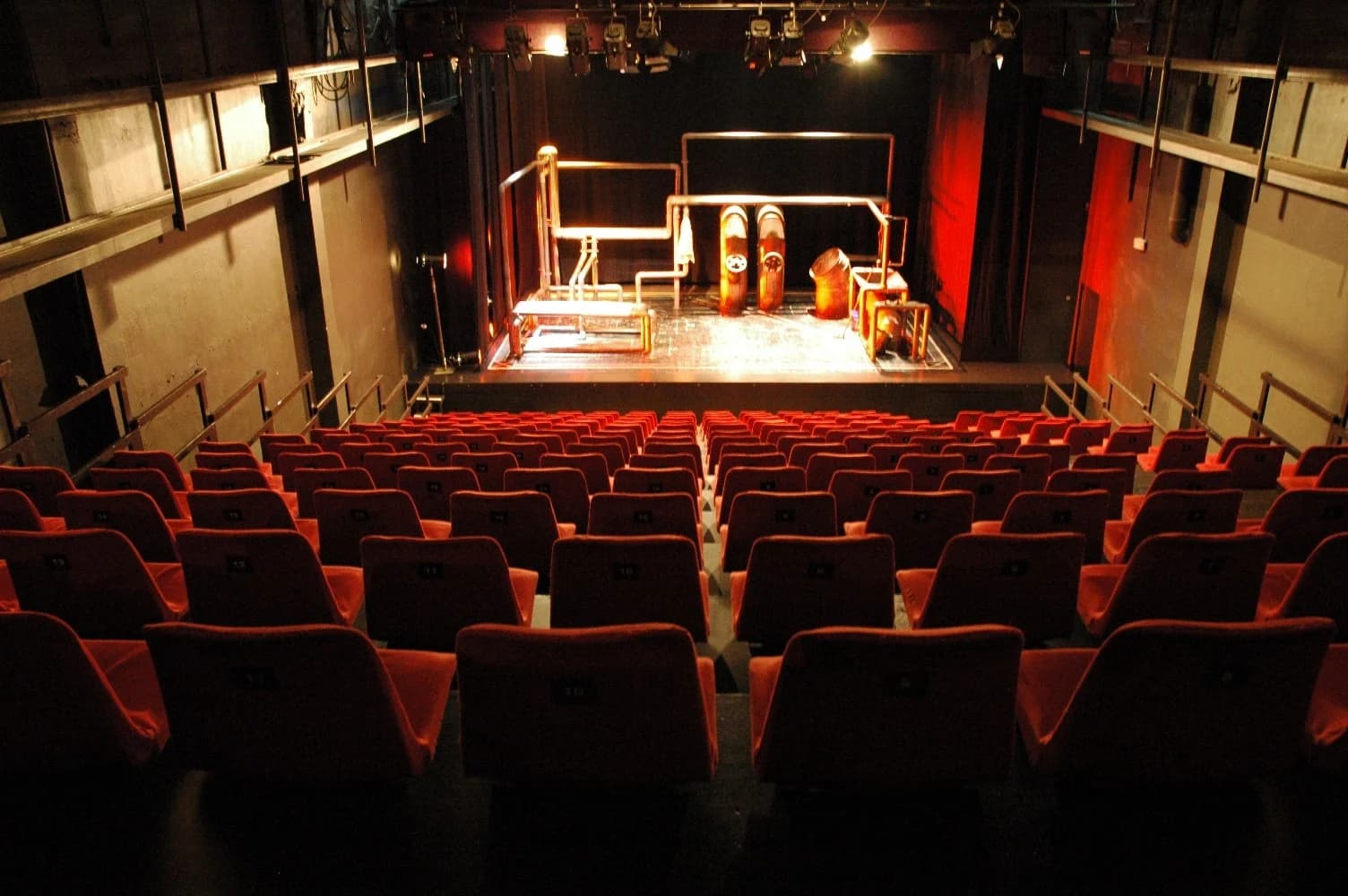
Teatre del Mar
No one would suspect that a real cultural gem is hidden in the middle of El Molinar.
The Fundació Teatre del Mar is the result of a joint initiative by a group of professionals and institutions from various fields of activity. The shared aim of this convergence of private interests is to meet a public need closely linked to theatre: the creation of a private theatre with a public purpose. The theatre was built in 1940, renovated in the 1990s, and offers a programme from October to June.
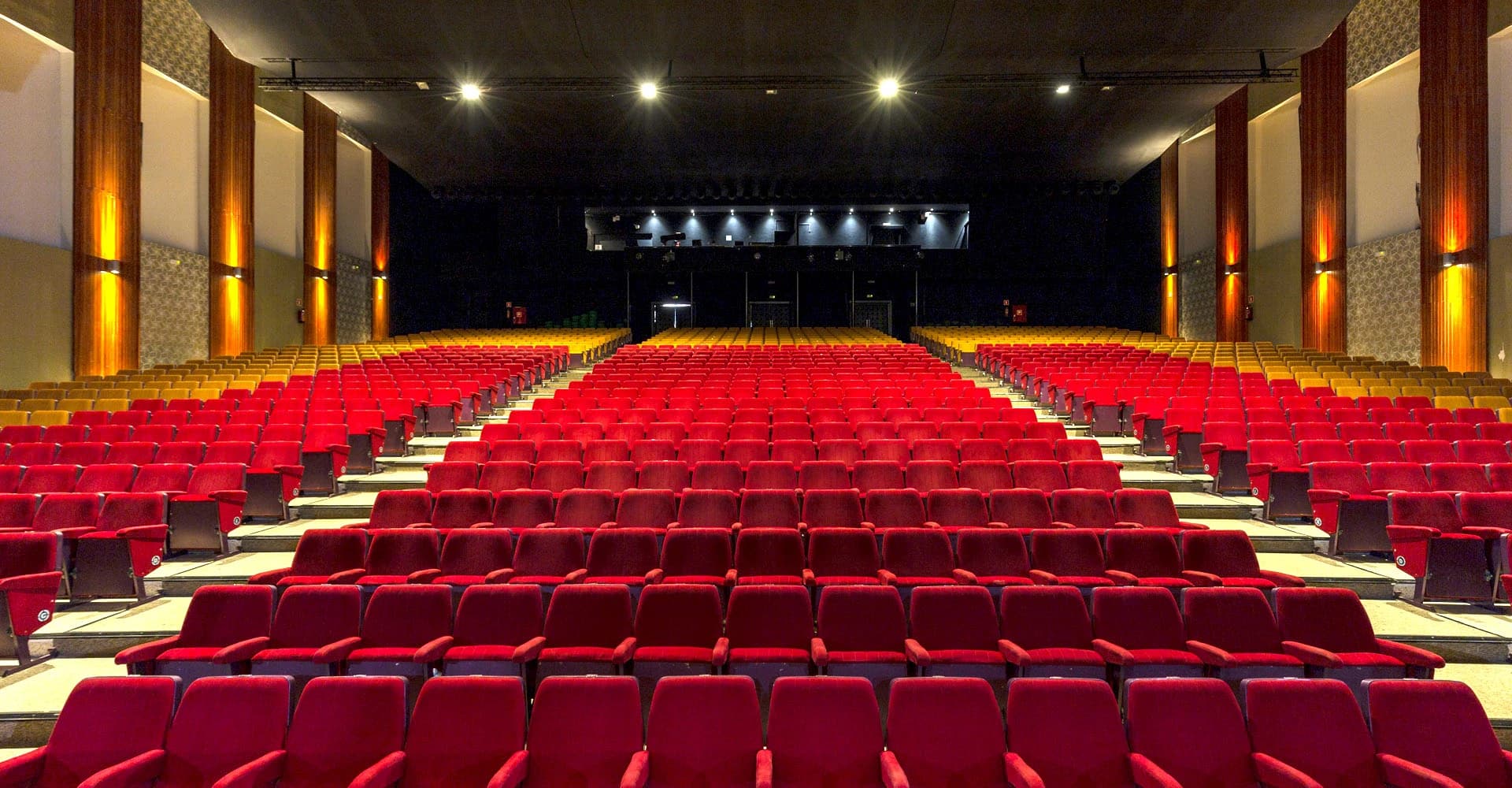
Trui Teatre
Trui Teatre is a modern event centre in Palma de Mallorca. It opened on 14 December 2010 at the La Salle school centre and, with 1,327 seats, offers space for all kinds of events, from theatre productions and concerts to conferences and product presentations.
For a stress-free visit, Trui Teatre has two private parking areas and a spacious lobby with bar service. Here you can get in the mood for the upcoming event and start the evening in a relaxed way. For artists, there are 250 square metres of stage space and five dressing rooms with modern amenities.
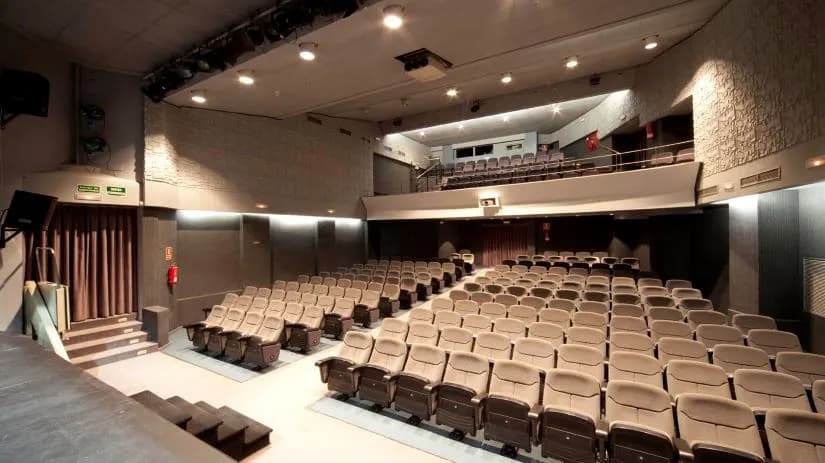
Teatre Municipal Catalina Valls
This small public theatre bears the name of the actress and playwright Catalina Valls (Palma, 1920-2010), who was highly valued and admired by Mallorcans. There are theatre performances and music concerts throughout the year, as well as other activities such as book presentations. It is located on the ground floor of the emblematic Miquel dels Sants Oliver building on Paseo Mallorca and was designed between 1963 and 1965 by the architect Manuel Casanella. It is a space primarily dedicated to cinema and to children’s and family theatre.
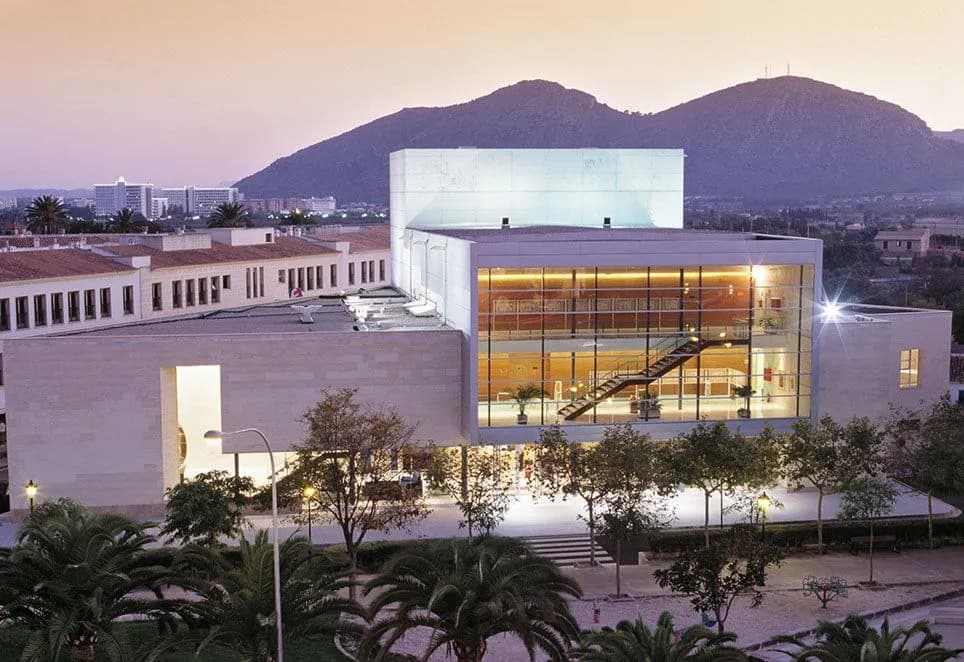
Auditori de Alcudia
Auditori d’Alcudia is a modern building that opened in 2000 and, with its glass façade, challenges the medieval town. It is a luxurious cultural space that offers a stable programme of theatre, music, dance and even cinema. This venue is among the island’s most important architectural works of the 21st century. Auditori d’Alcudia’s programming is broad and contemporary. All kinds of cultural events are offered, such as classical music, circus, jazz, theatre, dance, cinema, audiovisual works and much more.
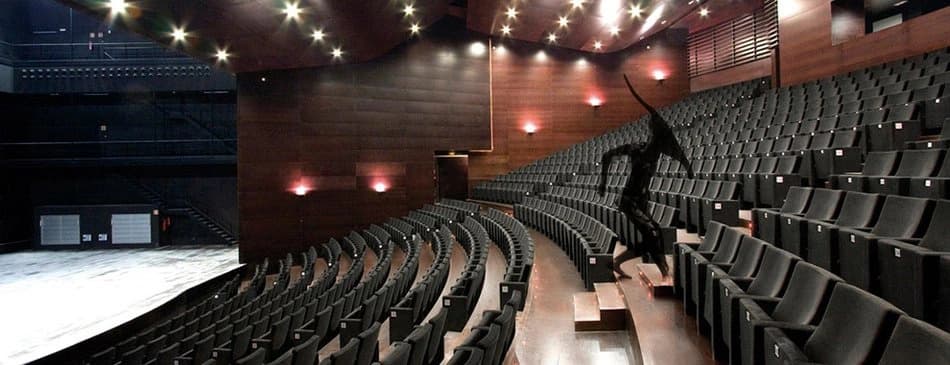
Teatre de Manacor
It is the newest cultural infrastructure in Mallorca, opened in October 2012 after a five-year delay. The building stands out for its structure and functionality, and its design involved several top-tier architects. Two of them, for example, were Lluís Dilmé and Xavier Fabré, who led the project to restore Barcelona’s Liceu after the 1994 fire. The building has a built area of 5,500 square metres and features a main hall with a capacity of 785 people.
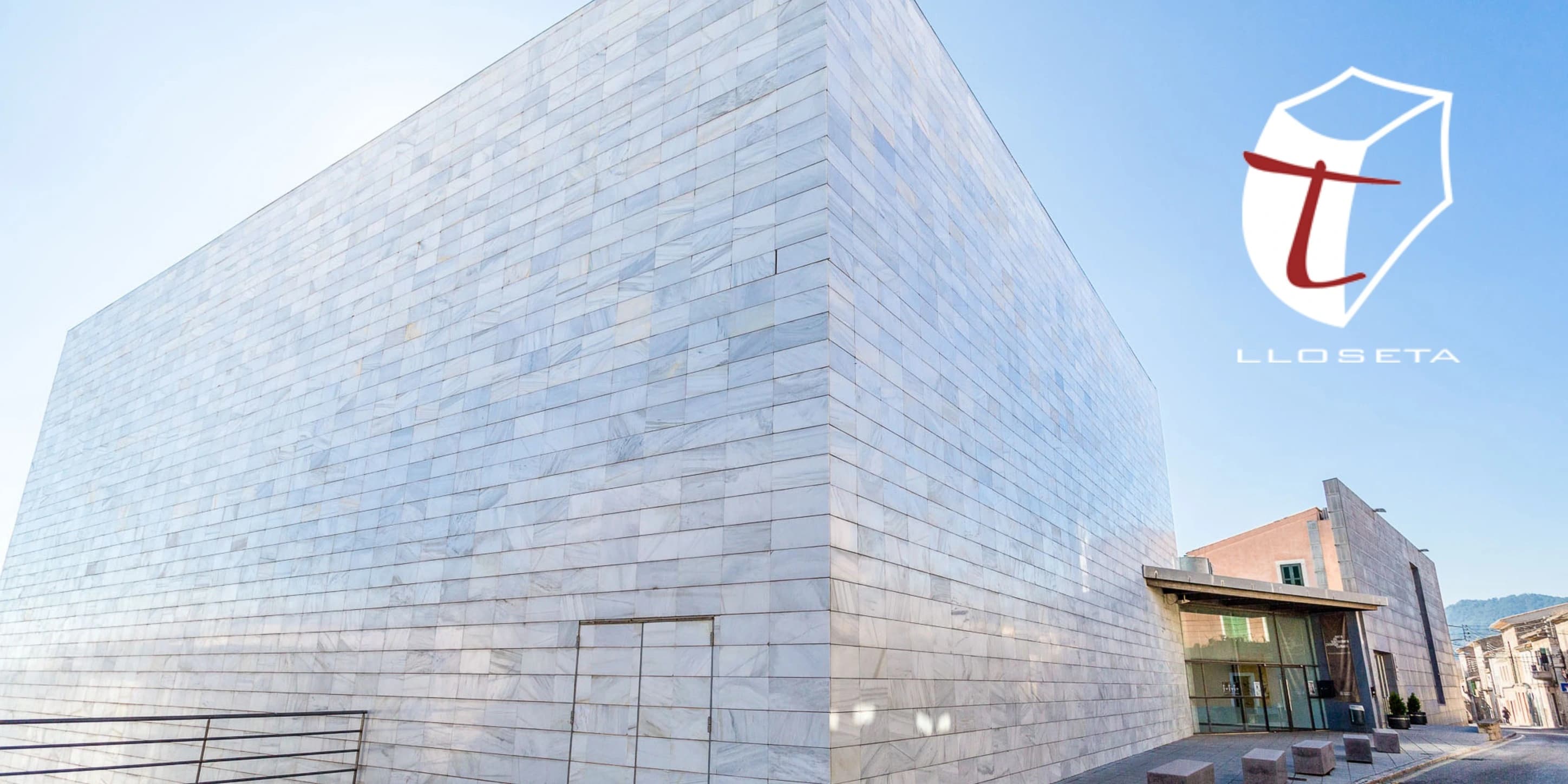
Teatre de Lloseta
The theatre in the rural setting of S’Hort de Can Seda is a place with history. Previously a cinema called “Novedades”, it was converted into a theatre by young people. The town recognised its importance and launched an innovative initiative to restore it. Today it is an important cultural meeting point with a wide variety of performances. The theatre’s history shows how important cultural institutions are and what collective commitment can achieve.