
Predator Blog · September 08, 2023
The Spanish Horizontal Property Act (Ley de Propiedad Horizontal)
Ownership comes with responsibility. We explain the concept of “apartment ownership” and the rules of the Horizontal Property Act. Discover “La 13”, our luxuriously renovated apartment – your dream home.
Owning a property, whether for residential purposes or other uses, comes with various rights and obligations, and it is advisable to understand them. This article will explain the essential information on apartment ownership, its specific features, and the fundamental aspects of the Horizontal Property Act.
What is the Ley de Propiedad Horizontal?
In Spanish, “Ley Propiedad horizontal” is translated as the “Horizontal Property Act”. This term simply refers to the concept of “community property”. It describes a situation in which several people own apartments or commercial premises in a shared building or on a shared plot. The Horizontal Property Act regulates exactly how responsibilities are allocated among the different owners once the community has been established, especially when conflicts arise due to differing interests.
The Horizontal Property Act in Spain
The Horizontal Property Act in Spain was introduced during the real-estate boom of the 1960s. At the time, it was necessary to create a legal basis to protect the interests of the ever-growing number of owners of apartment blocks.
In addition to the owners’ duties and rights, this law also regulates the tasks and responsibilities of property managers, owners’ meetings, and homeowners’ associations. All of these provisions are of great interest to owners, such as the frequency of meetings (both ordinary and extraordinary), rights relating to the use of communal facilities when some of them are not used (for example, a shop outside the building that does not use the shared lift), and many other aspects.
Today, the Horizontal Property Act has adapted to changing living conditions. Nevertheless, some original definitions and concepts remain relevant. We continue our explanation of what horizontal property means.
Definitions in the Horizontal Property Act
- Individual areas: These refer to clearly defined spaces used by individual owners, such as apartments, parking spaces, storage rooms, etc. This also includes architectural installations or components that serve these spaces. It is important to emphasise that ownership rights to these elements are private and belong to the respective owners.
- Communal areas: The legislation does not provide a detailed list of elements considered communal, but defines them as all areas and facilities that are not regarded as individual. Communal areas therefore include all rooms and facilities that are indispensable for the proper use and shared enjoyment of the building. Some specific examples are the entrance foyer, lifts, the building façade, the roof, or the gardens, among others. In the case of penthouse apartments, the terrace is regarded as a communal area for private use.
The homeowners’ association
The owners of all premises in a building—whether apartments, commercial units, or parking spaces—form the homeowners’ association. They share joint ownership of the building’s common elements in accordance with the shares calculated on the basis of the building’s total value. In this way, it is determined what portion of the communal expenses each owner must bear.
The homeowners’ association is therefore a legal entity that must comply with the rules set out in the Horizontal Property Act.
Deed of establishment of the homeowners’ association
The deed of establishment of the homeowners’ association is a document containing all important information about a building. It is usually drawn up as a notarised deed, and the developer or promoter is responsible for registering it in the Land Registry. The following points are mandatorily included in this deed:
- Common services and facilities: This lists all shared amenities and facilities in the building, such as stairwells, lifts, parking spaces, and communal rooms.
- Easements: This refers to any usage restrictions or rights that certain owners may have in relation to specific parts of the building. For example, some owners might have the right to use, or to restrict, certain communal areas.
- Description of the apartments and commercial units: This part of the deed contains detailed information about each individual apartment or commercial unit in the building. This includes details of size, floor, and any outbuildings or annexes.
- Each owner’s participation quota in the common elements: This sets out how much each owner must contribute to the building’s shared costs. This is usually based on the value of their property in comparison to the building’s total value.
House rules of the homeowners’ association
When a homeowners’ association is formed, it is important to establish rules governing the use of the building’s common elements, services, and facilities, the costs of maintenance and renovations, and the management of the property. The house rules are not mandatory, but if they are drawn up, they must be adopted unanimously by all and registered in the Land Registry.
Owners’ meeting
The owners’ meeting is the body in which all owners in the building come together to make joint decisions on matters. Under the Horizontal Property Act, a meeting must be convened at least once a year to review and approve financial reports and budgets.
There are also extraordinary meetings, which can be held as required to address specific issues or urgent matters. At these meetings, important decisions can be made that affect the common property.

Obligations of co-owners
The Horizontal Property Act stipulates that each owner is obliged to keep their property in good condition, contribute to the shared costs according to their share of ownership, refrain from making structural alterations that could impair the rights of other residents or jeopardise the building’s safety, and avoid carrying out activities that could have a negative impact on the community.
According to Article 10 of the Horizontal Property Act, the community may take certain measures without having to obtain the approval of the owners’ meeting. These measures include the maintenance and upkeep of communal areas as well as ensuring barrier-free access to the facilities.
Under the Horizontal Property Act, owners’ meetings have the authority to approve income and decide on necessary works. In addition, they can approve or amend the internal by-laws and decide on other general matters.
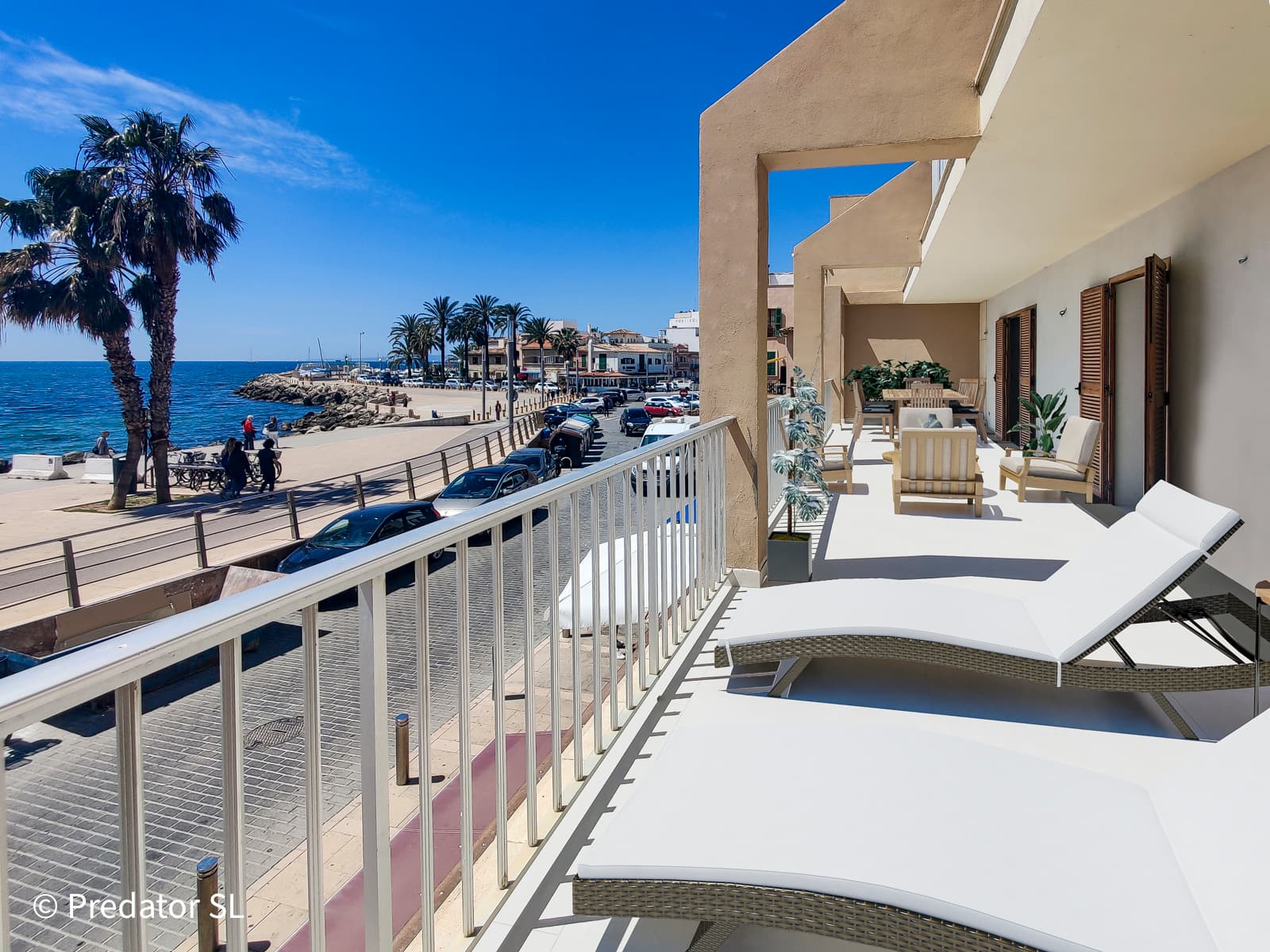
It is of enormous importance that you understand the legal obligations that await you as future property owners. If you are considering buying an apartment, you should definitely take a look at our current offering. We are proud to present our newly renovated luxury apartment, “La 13.” Here, you will find not just a home, but a place where dreams become reality.